
High Protein Foods Guide
Explore comprehensive information about protein-rich foods, their nutritional profiles, and how they support your fitness and wellness goals.
Filter by Category
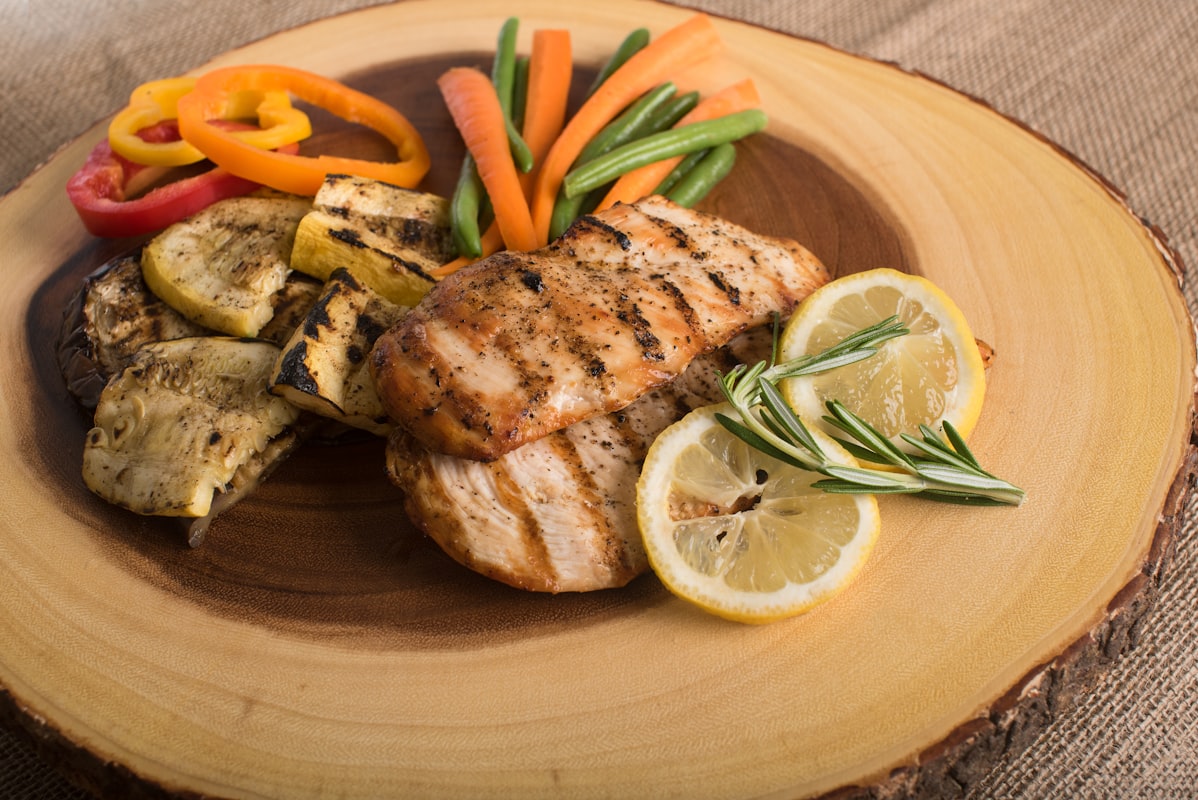
Chicken Breast
Lean poultry with exceptional protein content, providing approximately 31g of protein per 100g. Low in fat and rich in B vitamins, chicken breast is a staple for fitness enthusiasts and those seeking muscle development.
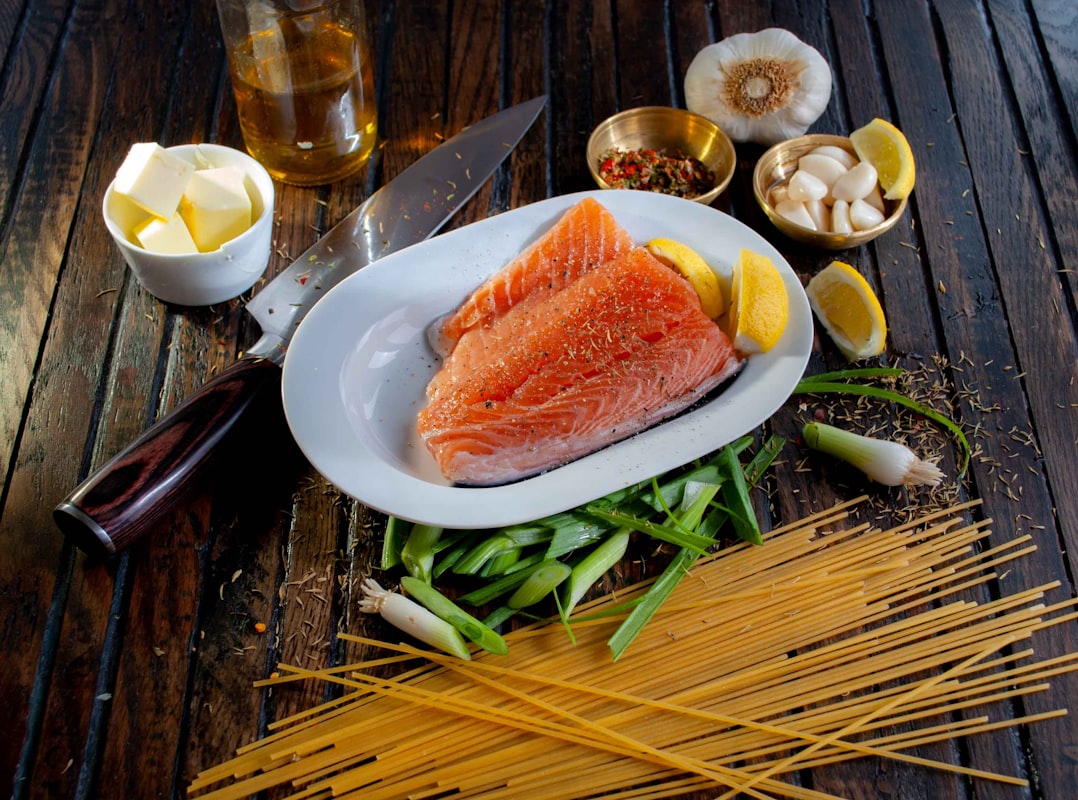
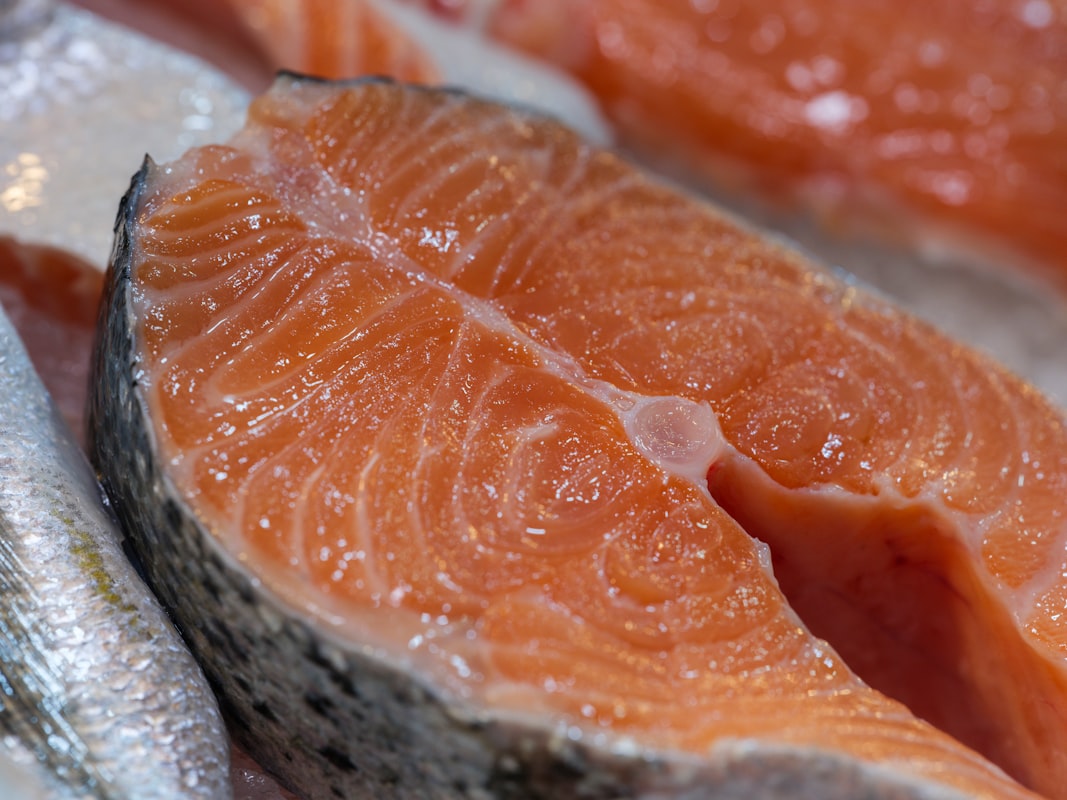
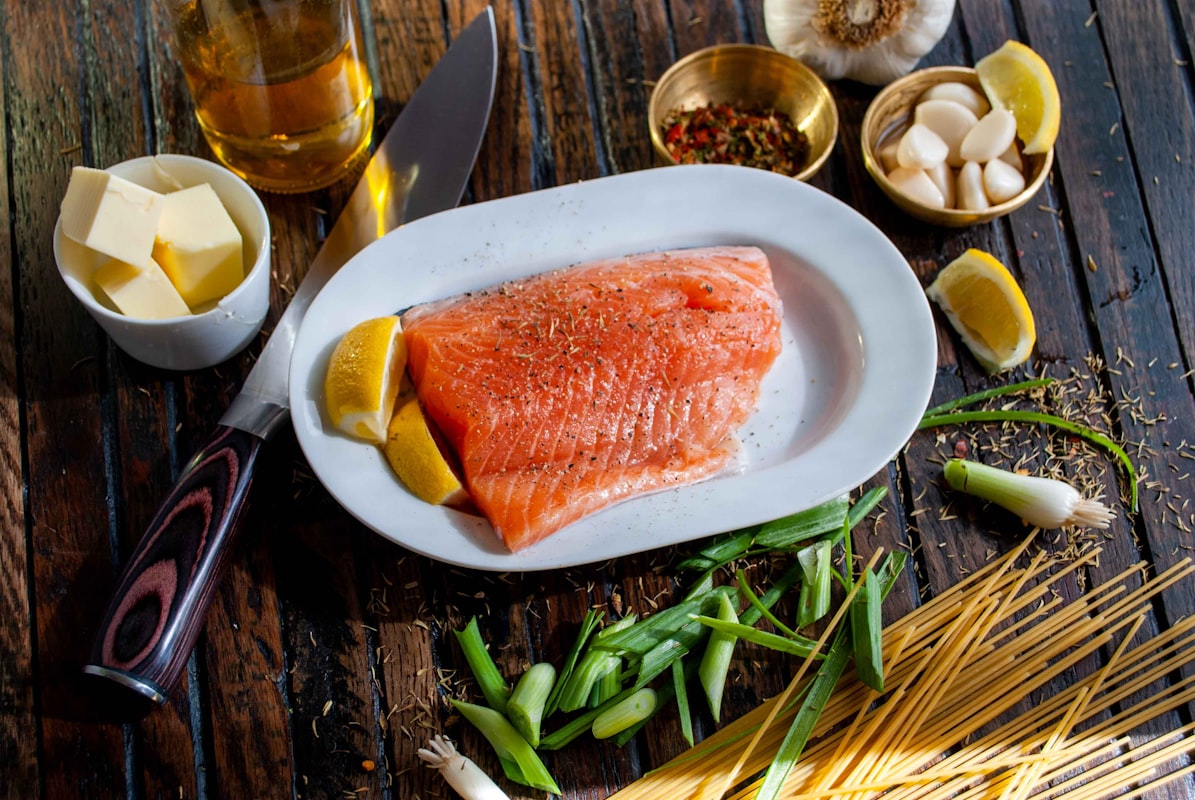
Salmon
Premium fatty fish delivering 25g of protein per 100g alongside omega-3 fatty acids. Supports cardiovascular health and provides essential amino acids for muscle recovery and overall wellness.

Greek Yogurt
Creamy dairy product containing 10g of protein per 100g with beneficial probiotics for digestive health. Versatile ingredient for snacks, smoothies, and meal preparations throughout the day.
Lentils
Nutrient-dense legume offering 9g of protein per cooked cup with substantial fiber content. Excellent plant-based option for vegetarians, promoting satiety and supporting digestive wellness.

Eggs
Complete protein source containing all nine essential amino acids, with 6g of protein per large egg. Contains choline for brain health and lutein for eye wellness, making eggs a nutritional powerhouse.
Almonds
Nutrient-rich nuts providing 6g of protein per ounce alongside healthy fats and vitamin E. Convenient portable snack option supporting sustained energy and supporting cardiovascular wellness.

Chickpeas
Versatile legume delivering 15g of protein per cooked cup with high fiber content and complex carbohydrates. Adaptable ingredient for hummus, curries, salads, and various cuisines worldwide.

Lean Beef
Premium protein source offering 26g of protein per 100g of lean cut, rich in iron and B vitamins. Supports muscle development and energy production when prepared with healthy cooking methods.
Why Protein Matters
Protein serves as the foundation for muscle development, tissue repair, and numerous physiological functions throughout your body. Whether you're pursuing fitness goals or maintaining overall wellness, understanding protein sources and intake recommendations helps you make informed dietary choices.
Different protein sources offer varying micronutrient profiles. Animal-based proteins contain all essential amino acids, while plant-based options provide fiber and phytonutrients. A balanced approach incorporating diverse protein sources supports comprehensive nutritional needs.
- Muscle Support: Protein provides amino acids necessary for muscle synthesis and repair after physical activity.
- Sustained Energy: Protein digestion requires more energy than other macronutrients, supporting metabolic function.
- Satiety: Protein-rich foods promote fullness, helping with appetite management and dietary consistency.

How to Incorporate Protein Foods
Assess Your Needs
Calculate your daily protein requirements based on body weight and activity level. Most guidelines recommend 0.8g to 2.2g per kilogram of body weight depending on fitness goals and lifestyle factors.
Plan Balanced Meals
Include protein sources at each meal, combining animal and plant-based options for varied micronutrient intake. Balance protein with vegetables, whole grains, and healthy fats for comprehensive nutrition.
Build Sustainable Habits
Choose protein sources you enjoy and can prepare consistently. Experiment with different cooking methods and cuisines to maintain variety and prevent dietary fatigue over time.
Frequently Asked Questions
Discover More About Protein Nutrition
Explore our comprehensive nutrition guide featuring detailed information about protein sources, meal planning strategies, and evidence-based recommendations for optimal dietary choices.